Community often begins with a small, familiar routine.
THE TAKEAWAY
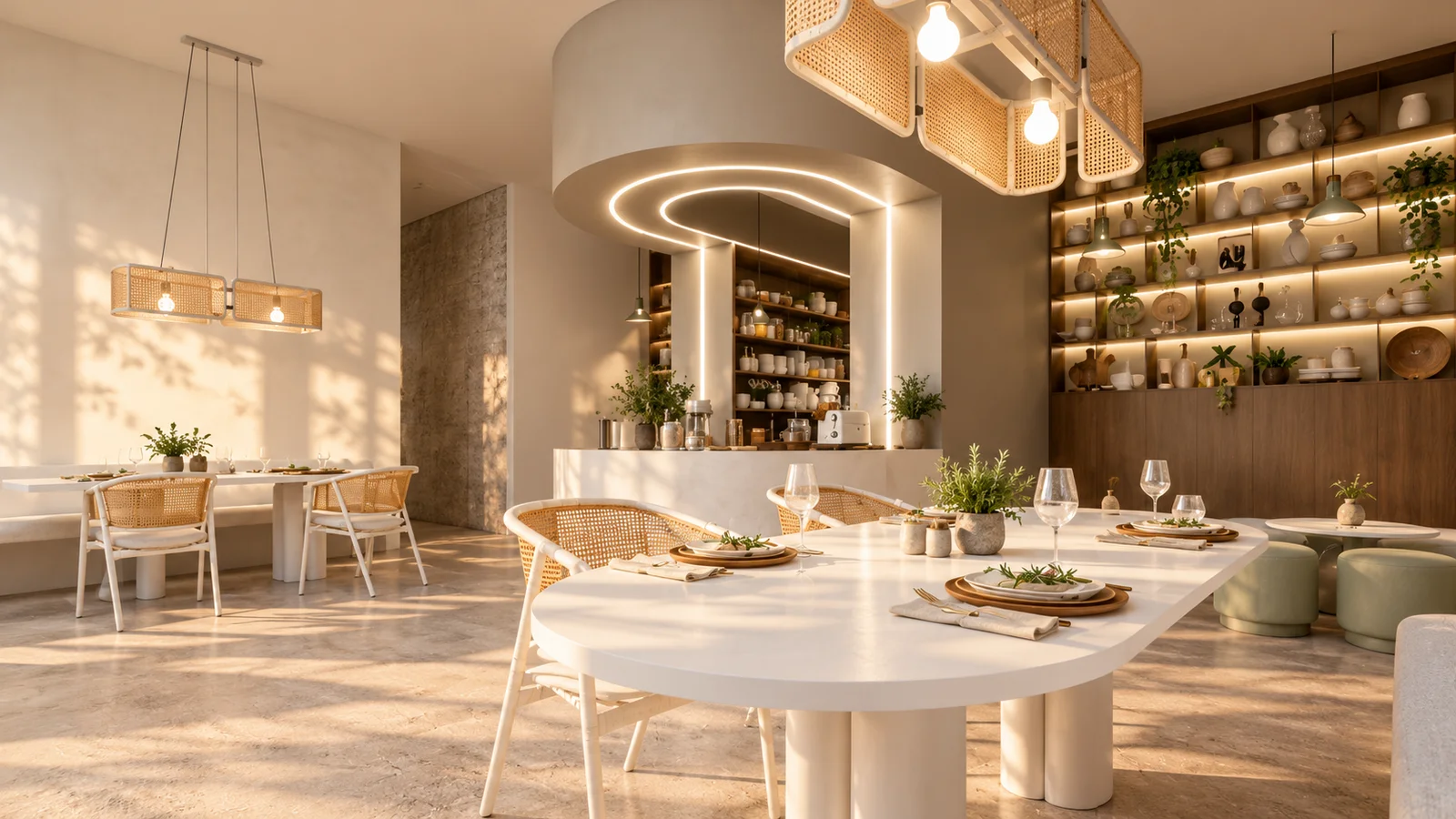
A residential community can grow through ordinary moments: recognising a neighbour, preparing food in a co-kitchen or finding a place to sit between appointments. The Element’s supplied facility materials include a café concept, co-kitchen and marketplace, alongside work and leisure spaces. These invite a closer look at the everyday experience the project is designed to support.
A place to pause
A café or shared seating area can become a useful meeting point without requiring a formal event. Ask which café or food-service arrangements are confirmed, who will operate them and what the opening plans are. A space shown in a concept image and an operating service are not the same thing.
The co-kitchen: cooking as a shared activity
The website presents a co-kitchen space. Picture how it might complement your own kitchen: preparing a meal with friends, sharing a recipe or enjoying a different setting. Before relying on that use, check equipment, reservations, cleaning responsibilities and any restrictions on gatherings or guests.
Understand the marketplace beside the co-kitchen
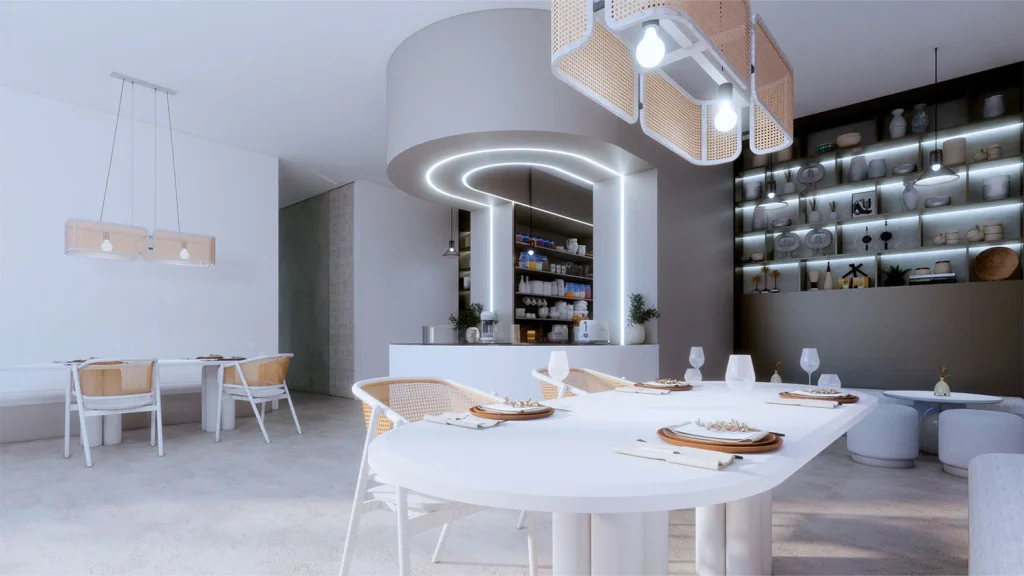
The published marketplace visualisation suggests another point of everyday convenience. Ask about confirmed operators and the intended range of goods or services. Until arrangements are established, keep your normal grocery planning grounded in the surrounding neighbourhood as well as the facilities proposed inside the development.
Make room for different levels of sociability
Some residents enjoy regular shared activities; others prefer occasional contact and a private home base. Look at how circulation, seating and separate spaces might support both. Good communal space should offer an invitation rather than require everyone to use the building in the same way.
Connect work and life thoughtfully
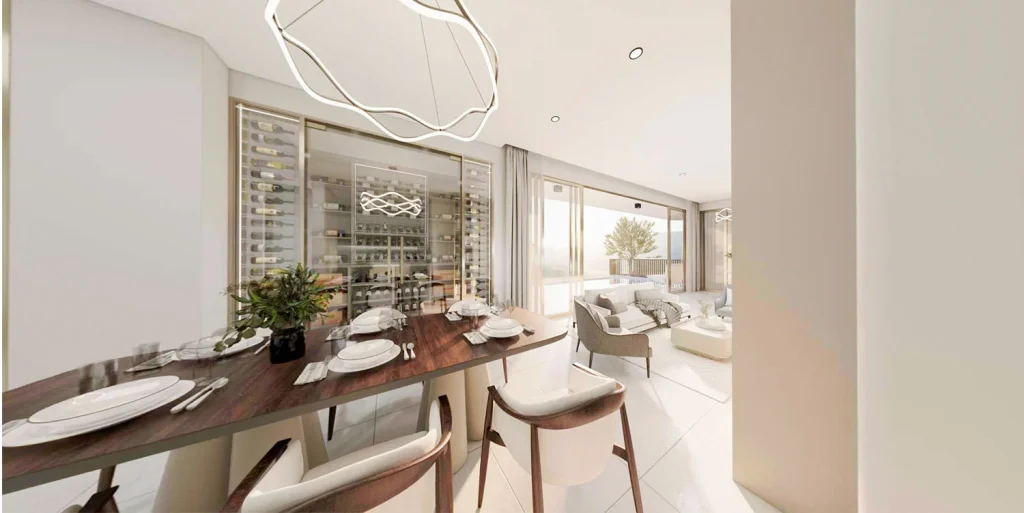
The business hub adds another shared setting to the facility mix. It could be useful for people who want a change from working in their own residence, subject to access and service arrangements. Ask how calls, meetings and quiet work will be managed so that different needs can coexist comfortably.
Ask about the daily operation of the co-kitchen and café
Community depends on how spaces are maintained and used, not only on how they are drawn. Confirm resident and guest access, opening arrangements, booking rules, charges and the management contact. Then consider how these shared spaces would complement your own routine in Kamala rather than replace the neighbourhood beyond the project.
Common questions
Is the co-kitchen the same as a restaurant?
No. A shared cooking space and a commercial food service have different operating arrangements. Confirm each separately.
Are café operators and hours confirmed here?
No. Ask the project for current operating plans and service details.
Can residents host guests in shared spaces?
Confirm the applicable visitor, booking and gathering rules before making plans.
In short: a co-kitchen and café can help a community form, if they are well run. Confirm co-kitchen bookings, guest rules and café operators before relying on them. For official provincial information, see the Phuket Province website.
Related reading: Best Cafes and Restaurants Near The Element, Kamala and What Does “Quiet Elegance” Mean? Inside The Element’s Design Philosophy.
Explore your options at The Element
Ask The Element team about the current plans, availability and details relevant to your visit.
Sources & further reading. The Element — official project information.
Project information and references reviewed on 15 October 2026. Published areas and travel times are indicative; request current unit-specific plans, terms and availability.