
Understand the property and the purchase process together.
THE TAKEAWAY
Buying property in Phuket involves several connected decisions: where you want to live, what rights you are acquiring, how the purchase will be funded and what the home will cost to own. Work through them together. A strong viewing experience should lead to better questions, not replace the checks needed before you commit.
Before buying property in Phuket, define the purpose of the home
Decide how much personal use you expect, who will stay and whether rental income is essential to your budget. Shortlist locations against those needs. An easy beach visit, a manageable school run and a quiet workspace are different requirements; write down which ones you cannot compromise on.
Establish the ownership route
Foreign buyers may acquire qualifying condominium ownership subject to the Condominium Act, including the foreign ownership limit of 49% of total unit area in the registered condominium. This is an area-based limit, not simply a count of units. Land, villas and leasehold interests require separate analysis. Have your own lawyer identify the legal rights in the specific offer.
Review documents before paying
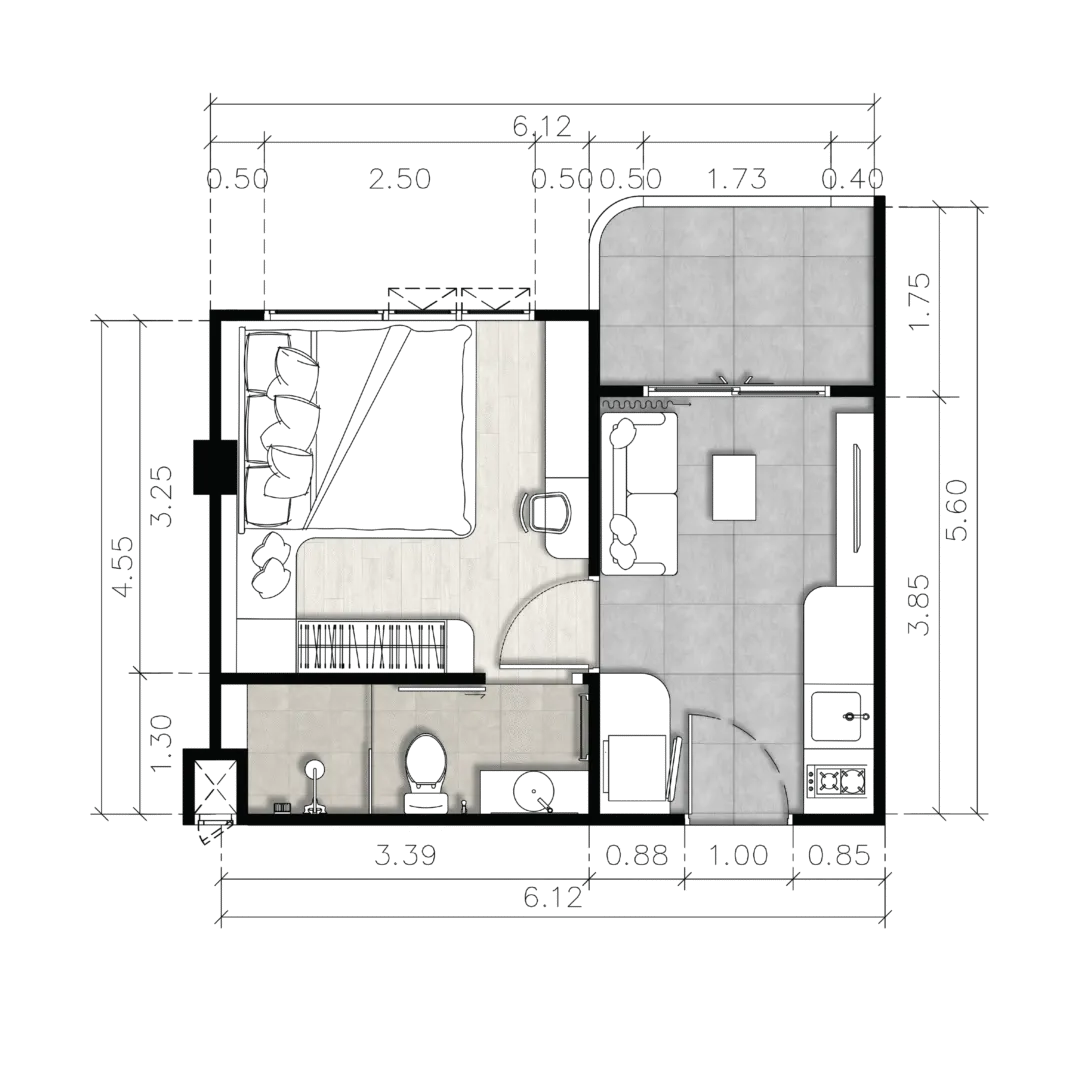
Ask for the seller’s legal identity, title information, project permissions, unit plan, specification and draft contract. For an off-plan purchase, review completion obligations and remedies for delay. Clarify reservation refund conditions before transferring a deposit. A sales explanation should be supported by the documents you will actually sign.

Build a full ownership budget
Beyond price, allow for transaction charges, independent legal review, furnishing, common-area contributions, utilities and maintenance. Request a written breakdown with due dates and the party responsible for each item. At The Element, obtain a current quotation for your chosen unit; headline pricing does not establish its complete acquisition cost.
Plan the funding evidence
Before sending money, agree the payment route and required evidence with your receiving bank and lawyer. The documents depend on the ownership category and banking route. Keep transfer records, purchase details and name spellings consistent, and arrange for the bank’s confirmation well before the registration appointment.
Inspect and complete deliberately
At handover, compare the unit with the contract specification and record defects, equipment details and outstanding work. Confirm meter readings, access devices, warranties and the management contact. Your lawyer should explain registration, any outstanding payments and the documents you should retain. A clear handover file is useful long after the buying process has ended.
Common questions
Can every foreign buyer purchase any unit?
No. Eligibility, the ownership route and remaining foreign quota must be checked for the specific registered condominium and transaction.
Does a reservation secure all purchase terms?
Not necessarily. Read the reservation document, refund conditions and proposed sale agreement before paying.
What should I request from The Element?
A dated unit quotation, current availability, ownership terms, payment schedule, specification and itemised ongoing charges.
In short: buying property in Phuket is a sequence of connected checks — purpose, ownership route, documents, budget and funding evidence. Keep a written record at each step of buying property in Phuket so that the transfer holds no surprises.
Related reading: Can Foreigners Buy a Condo in Thailand? The Complete Guide and The Element by Anocha: Full Project Overview & Pricing.
Explore your options at The Element
Ask The Element team about the current plans, availability and details relevant to your visit.
Sources & further reading. The Element — official project information · Thailand.go.th — condominium foreign-ownership framework · Bangkok Bank — buying a condominium.
Project information and references reviewed on 15 October 2026. Published areas and travel times are indicative; request current unit-specific plans, terms and availability.
General information only. Legal, tax, banking and immigration requirements depend on individual circumstances; confirm the requirements relevant to you before acting.