
Clarify the legal route before choosing the unit.
THE TAKEAWAY
Foreign ownership of a Thai condominium is possible under the applicable legal framework, but it is not an automatic entitlement attached to every listing. Your eligibility, the registered condominium, the foreign quota and the funding evidence all matter. Begin with an independent lawyer who can assess the particular transaction.
Foreign ownership quota: what it measures
The commonly referenced 49% limit concerns the total area of units held by foreigners within the registered condominium. It is not a rule that 49 out of every 100 apartments are always available to overseas buyers. Ask how the quota is calculated and obtain the required confirmation for the proposed transfer.
Freehold and leasehold are different rights
A condominium title and a lease are different legal interests. If a lease is offered, examine the registered term, payment obligations, assignment provisions and any proposed renewal separately. Do not assume that promotional language about extensions gives the same rights as owning the unit. Your adviser should explain exactly what can be registered.
Establish buyer eligibility and evidence
Different qualifying categories under the condominium rules can involve different evidence. For a buyer relying on money brought from abroad, coordinate with the receiving bank before sending funds. The bank should explain the confirmation it can issue for your route, and the lawyer should confirm what the Land Office will require.
Review the purchase documents
Before a reservation payment, understand refund conditions and the next contractual deadline. Review the seller’s authority, title, unit area, specification and charges. For off-plan property, examine permissions, payment stages, completion obligations and remedies. Keep written answers with the documents rather than relying on a verbal summary.
Prepare for transfer
Agree who arranges registration, what original documents are needed and how outstanding payments will be handled. Confirm charges and the documents you receive afterwards. If you cannot attend, have your lawyer explain the requirements for representation and any authentication needed for documents signed abroad.
Apply the checks to The Element
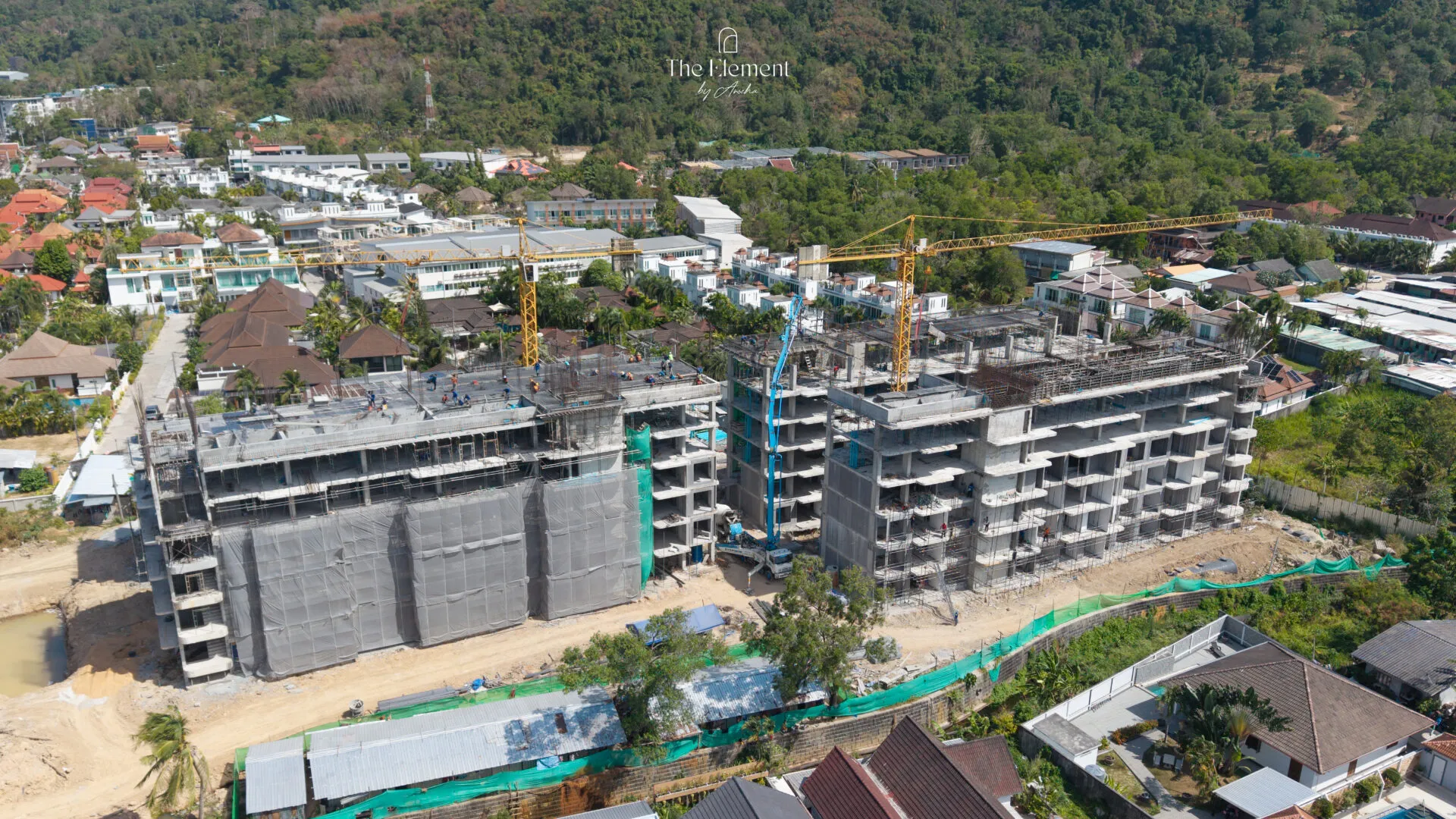
Ask the project team for current ownership options and availability for your chosen unit. The public project website describes the residences and facilities; it does not by itself establish your eligibility or remaining foreign quota. Use the sales information together with independent legal and banking advice before committing.

Common questions
Is the foreign quota based on unit count?
No. The relevant limit is based on unit area within the registered condominium.
Does buying a condo grant a visa?
No. Property ownership and permission to enter or remain in Thailand are separate matters.
Can I use the same documents as another buyer?
Not automatically. Eligibility, funding routes and the applicable transaction documents can differ.
In short: foreign ownership of a Thai condominium depends on the registered building, the foreign quota, your eligibility and the funding evidence. Confirm each foreign ownership point for the specific unit in writing before you commit.
Related reading: Buying Property in Phuket: A Complete Guide for International Buyers and The Element by Anocha: Full Project Overview & Pricing.
Explore your options at The Element
Ask The Element team about the current plans, availability and details relevant to your visit.
Sources & further reading. The Element — official project information · Thailand.go.th — condominium foreign-ownership framework · Bangkok Bank — buying a condominium.
Project information and references reviewed on 15 October 2026. Published areas and travel times are indicative; request current unit-specific plans, terms and availability.
General information only. Legal, tax, banking and immigration requirements depend on individual circumstances; confirm the requirements relevant to you before acting.