A condo handover inspection is your chance to check the finished residence before you accept it. Defects found and recorded now are usually easier to resolve than problems reported months later. This checklist covers what to bring, what to test in each room and how to record what you find.
It is written for buyers of new residences, including those at The Element by Anocha in Kamala, but the method works for any new condominium.
Before your condo handover inspection
Preparation saves time on the day and makes your notes more useful afterwards.
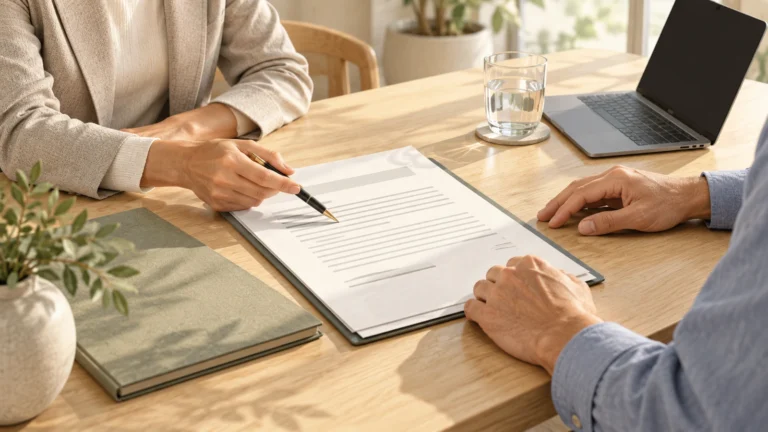
- Ask for the documents first: the unit plan attached to your agreement, the specification or finish schedule, and the list of items included in the price.
- Ask how defects are handled: who receives your list, how repairs are scheduled, and what the warranty or defect-liability terms in your contract say.
- Agree the time: daylight is best, and allow at least two to three hours for a typical residence.
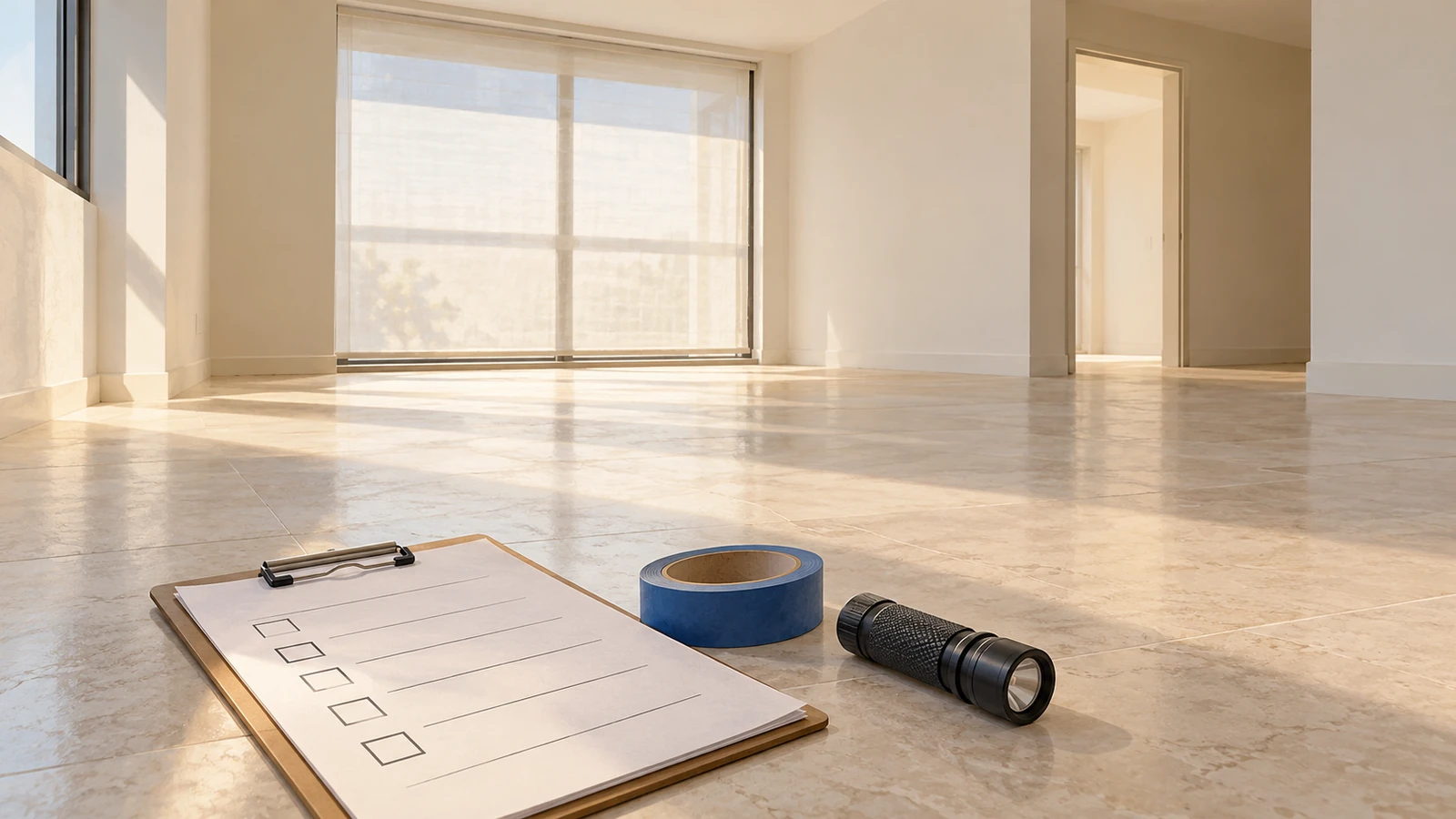
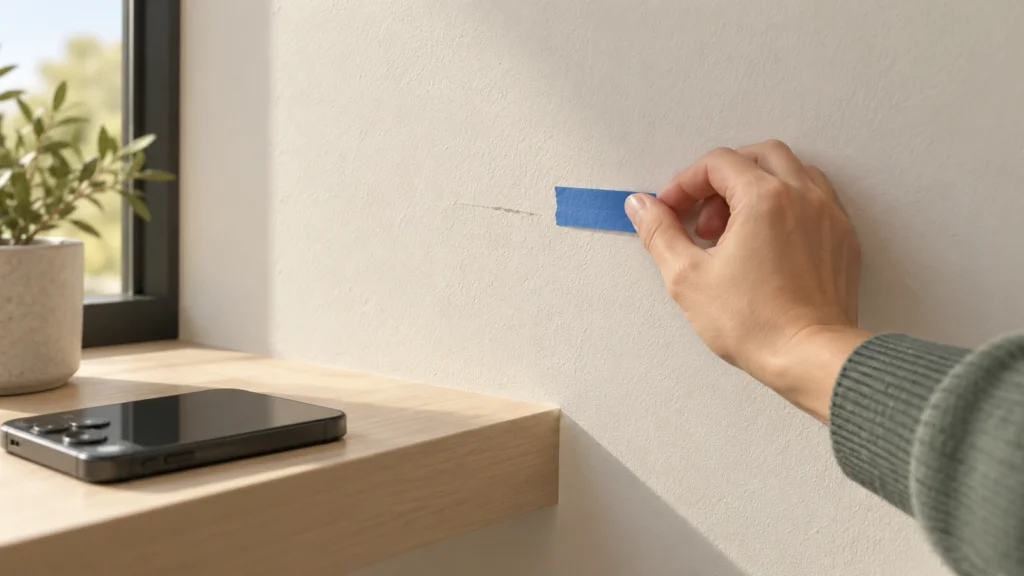
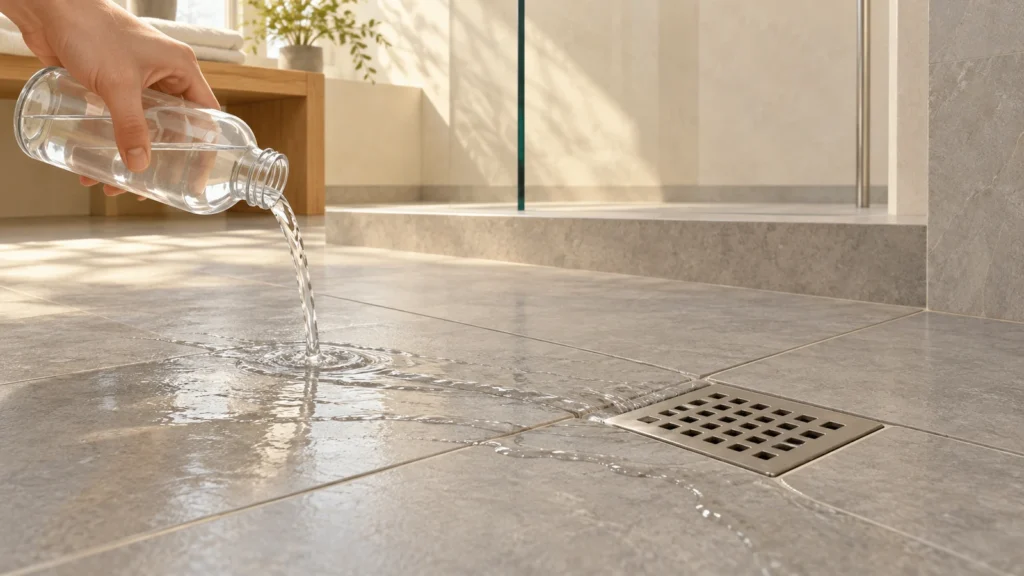
- Bring a simple kit: a phone charger to test sockets, a torch, painter’s tape to mark defects, a tape measure, a notebook or app, and a small bottle of water to test drainage.
If you cannot attend in person, ask whether an independent inspector or your representative can attend and whether they need written authority from you.
How to record defects
A clear record is more useful than a long one.
- One item per line: location, what is wrong and a photo.
- Number every photo to match the list.
- Mark the spot with painter’s tape so the repair team can find it.
- Separate defects from wishes. A cracked tile is a defect; a different tile colour is a change request.
- Ask for a signed copy of the list and a date for re-inspection.
Condo handover inspection: room by room
Entrance and walls
- Front door closes, locks and seals evenly; keys, key cards and codes all work.
- Walls and ceilings: cracks, uneven paint, stains, marks around switches and sockets.
- Skirting and corners: gaps, chips and loose sections.
Floors and tiles
- Tap tiles gently with a coin or key handle; a hollow sound can mean poor adhesion.
- Check grout lines, lippage between tiles and chipped edges.
- Look along the floor in low light for unevenness.
Windows, doors and balcony
- Every window and sliding door opens, closes and locks smoothly.
- Seals and silicone are continuous, with no gaps or stains.
- Balcony floor falls towards the drain; pour a little water and watch where it goes.
- Railings are firm, with no loose fixings.
Kitchen
- Cabinets and drawers open, close and align; hinges are adjusted.
- Worktop joints are sealed; no chips or scratches.
- Sink fills and drains; no drips under the sink after a few minutes.
- Appliances included in your agreement are present and switch on.
Bathrooms
- Run every tap and shower; check temperature and pressure.
- Flush the toilet several times; check for running water and leaks at the base.
- Floor drains clear water quickly and the floor falls towards them.
- Silicone around basin, shower and bath is complete; tiles are not cracked.
- Ventilation fan runs.
Electrical and air conditioning
- Test every socket with your charger and every light switch.
- Check the consumer unit (breaker panel) is labelled.
- Run each air-conditioning unit for several minutes; check cooling and that the condensate drains away.
- Water heater works and has a visible isolation switch.
Built-in furniture
- Wardrobes and storage are fixed securely and doors are aligned.
- Shelves are level and fully supported.
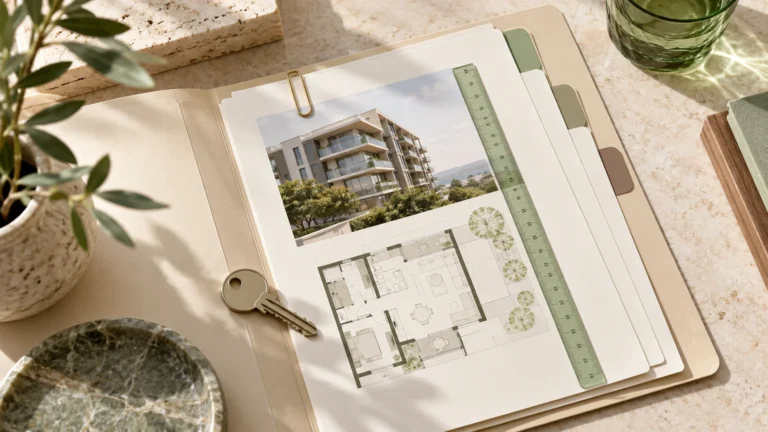
- Compare finishes with the specification attached to your agreement, and the layout with the published floor plans.
If your residence has a private pool
The Element includes private-pool residences in Types C, D and E. If you are buying one, add these checks:
- Ask the team to show the pool running: pump, filter and any lighting.
- Look at tiles and grout at the waterline and on steps.
- Check that the terrace around the pool drains away from the doors.
- Ask for the equipment manuals and who is responsible for servicing and repairs.
- Confirm in writing how the pool will be maintained when you are away.
Our guide to private-pool condos explains the ownership questions in more detail.
Shared areas
Your residence is only part of what you are buying. Ask which shared facilities are complete and open, and walk through the lobby, corridors, lifts, parking and the facilities that matter to you. At The Element, the published facilities include double leisure pools, rooftop tennis, a Muay Thai gym, fitness, yoga and a business hub. Note anything unfinished and ask when it will be completed.
After the condo handover inspection
Once defects are fixed, you can plan the furnishing; see Furnishing Your Element Residence. For the contract terms agreed at reservation, see New Condo Launch in Kamala. To follow the build up to handover, see The Element construction progress in 2026.
- Keep your signed defect list with your purchase documents.
- Agree a re-inspection date to confirm repairs.
- Do not accept verbal promises for significant defects; ask for them in writing.
- If you disagree about whether something is a defect, ask your independent lawyer what your agreement says before you sign any acceptance form.
Handover is not the last step. Under section 29 of Thailand’s Condominium Act, a transfer is registered only when the unit is free from debts for common expenses, shown by the latest certificate from the condominium juristic person.
Frequently asked questions
Should I accept the keys if I find defects?
That depends on what your agreement says about acceptance and defects. Minor items are often recorded and repaired after handover; serious defects may need to be fixed first. Ask your lawyer before signing an acceptance form.
Can someone inspect the unit for me?
Usually yes. Ask the project team whether a representative or an independent inspector can attend, and what written authority they need.
How long does a handover inspection take?
Allow two to three hours for a typical residence, more for a larger unit or one with a private pool.
In short: a condo handover inspection works best when you prepare the documents, test every room in daylight and record each defect with a photo. Treat the condo handover inspection as the start of the repair process, and keep a signed copy of your list.
WOW33 membawa pemain ke dunia survival terbuka dengan hutan misterius, reruntuhan kota dan wilayah berbahaya yang menyimpan berbagai sumber daya langka. Pemain harus membangun tempat perlindungan, merakit perlengkapan serta menghadapi makhluk liar yang semakin agresif ketika malam tiba.
Petualangan dalam WOW33 semakin menantang melalui sistem cuaca dinamis, eksplorasi dungeon tersembunyi dan pertempuran melawan boss dengan pola serangan unik. Setiap wilayah memiliki rahasia tersendiri, sehingga pemain perlu menyusun strategi untuk bertahan hidup sekaligus membuka area baru.
Related reading: Buying a Condo in Phuket as a Foreigner in 2026: Quota, Money Transfers and Ownership Checks and First-Time Kamala Buyer FAQ: Answers to Common Questions.
Information note: This checklist is general information only and is not legal or technical advice. Handover, acceptance and defect terms depend on your sale agreement. Confirm the procedure for your residence with the project team and your own lawyer.